
Cummins CNG Master Tech: What Dealer Technicians Need to Know for Warranty Work
If you work in a Cummins authorized dealership, you’ve probably completed a lot of training over the course of your career. You may even be a Cummins-certified Master Tech. However, there’s an important distinction when it comes to the Cummins X15N engine.

EV Safety Starts Before High-Voltage Work: AFVi Launches Level ONE Training for Technicians
From transit agencies and school districts to utilities, municipalities, and commercial fleets, technicians are increasingly being asked to inspect, maintain, and service fuel-cell and battery-electric vehicles. To address this need, AFVi has developed EV 101: Electric Vehicle High-Voltage Safety Awareness.

What “Electrically Aware” Actually Means: Worker Levels Every Fleet Manager Should Know
Transit agencies, municipalities, utilities, delivery companies, school districts, and private businesses continue to add hydrogen fuel-cell and battery-electric vehicles to their operations every year, which means that more employees must understand how to work safely around them—even technicians who don’t perform high-voltage work.
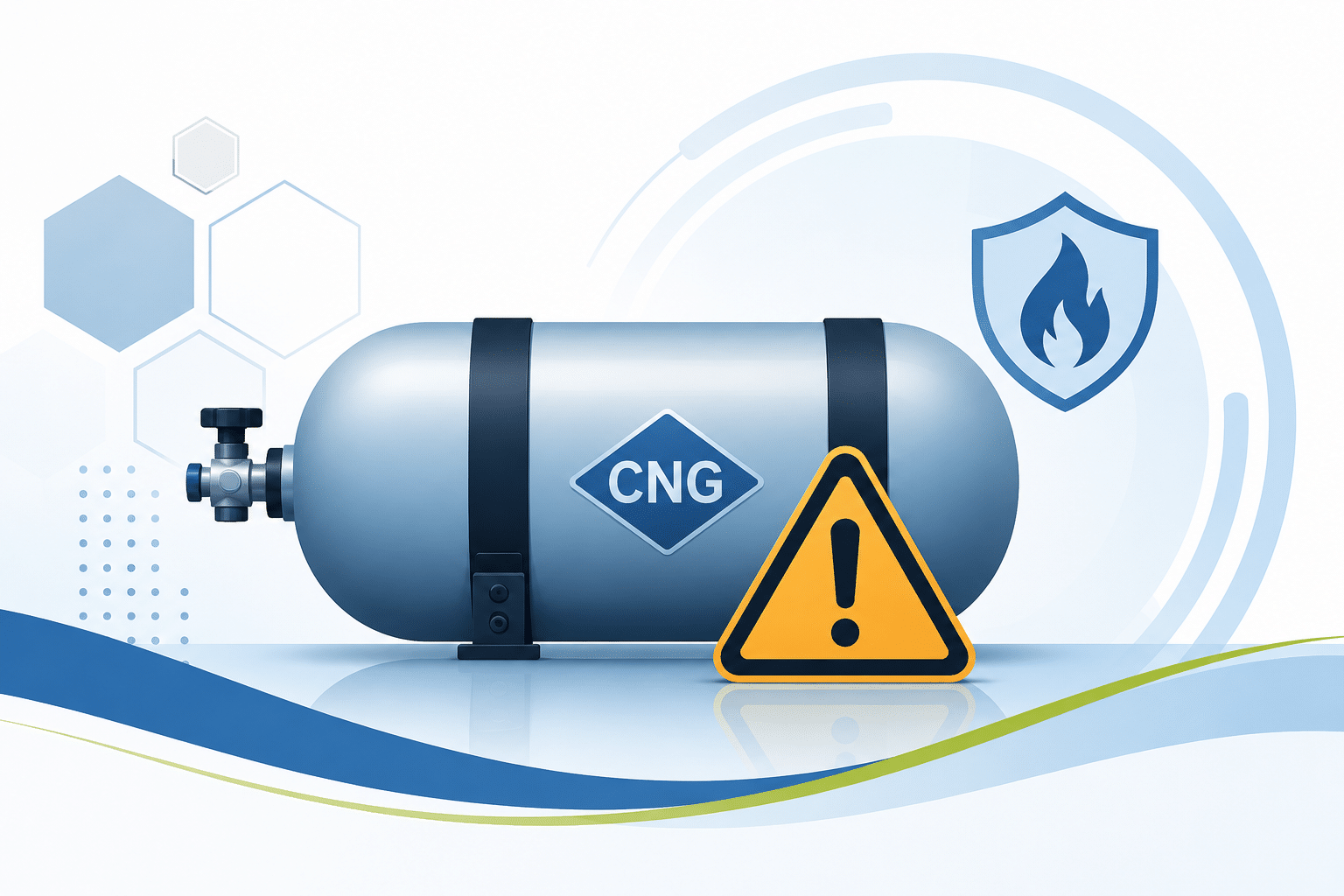
Why Improperly Defueled CNG Cylinders Can Create Serious Disposal Hazards
It’s an unfortunate misconception that a cylinder is safe simply because it is no longer in use, but the reality is that technicians, fleet personnel, recyclers, or scrap processors could be harmed by a discarded cylinder that still has residual natural gas and pressure.
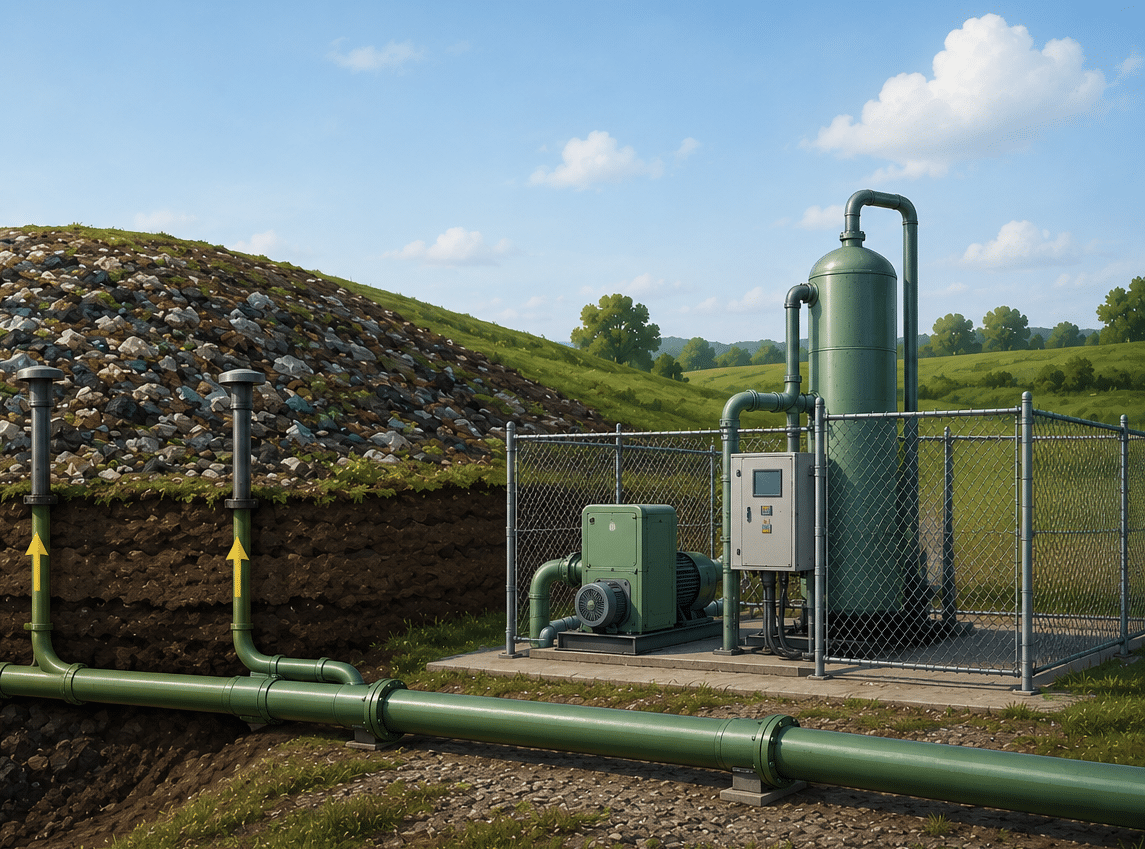
How ACUA Is Turning Landfill Gas Into Renewable Natural Gas for Its Fleet Operations
A recent project from the Atlantic County Utilities Authority (ACUA) continues to draw attention across the alternative fuels industry. Through a partnership with OPAL Fuels and South Jersey Industries, ACUA has been converting landfill gas into renewable natural gas (RNG) at its facility in Egg Harbor Township.
How Are Hydrogen Fuel Systems Shaping the Future of Heavy Equipment?
AFVi’s CEO, Annalloyd Thomasson, sat down recently with Steve Duricky, Global Platform Manager at Parker Hannifin, to talk about the current status of hydrogen vehicle adoption in heavy-duty fleets, potential engineering challenges for their fuel systems, and why many organizations are viewing natural gas as an important bridge to this technology.