How ACUA Is Turning Landfill Gas Into Renewable Natural Gas for Its Fleet Operations
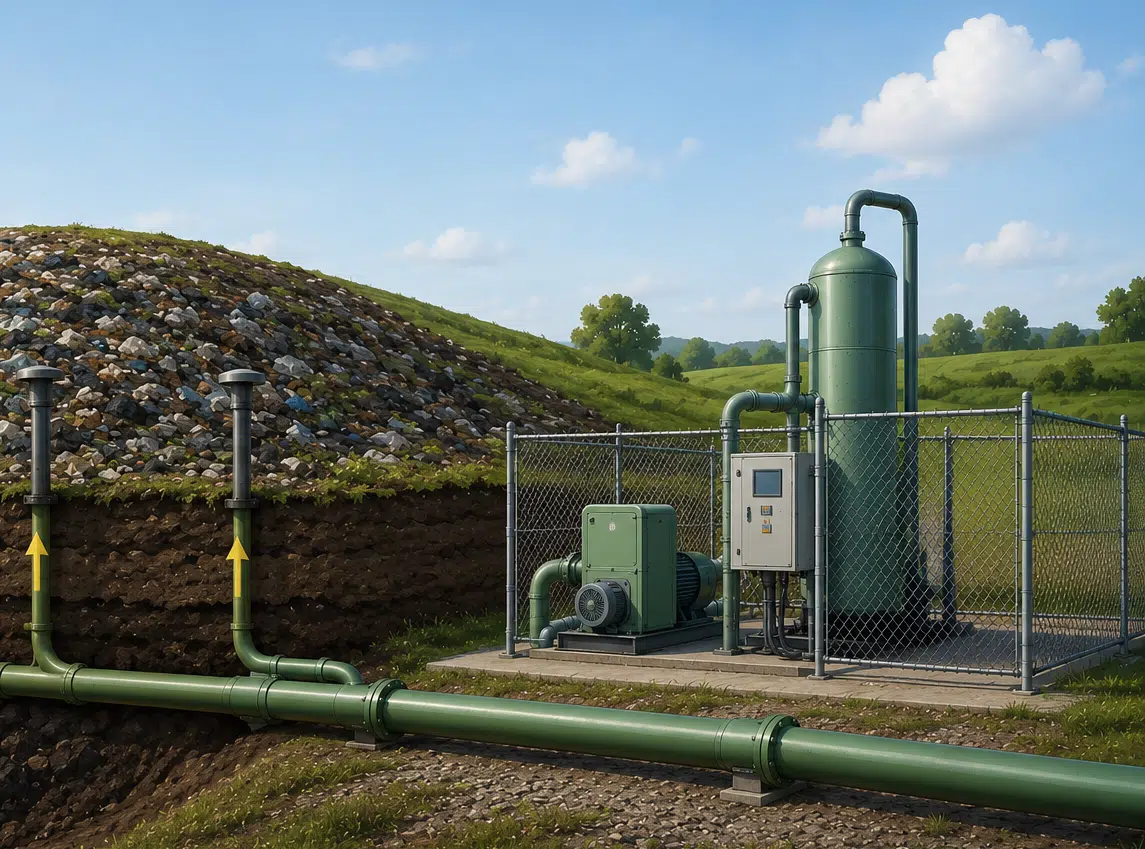
A recent project from the Atlantic County Utilities Authority (ACUA) continues to draw attention across the alternative fuels industry. Through a partnership with OPAL Fuels and South Jersey Industries, ACUA has been converting landfill gas into renewable natural gas (RNG) at its facility in Egg Harbor Township.

How Are Hydrogen Fuel Systems Shaping the Future of Heavy Equipment?
AFVi’s CEO, Annalloyd Thomasson, sat down recently with Steve Duricky, Global Platform Manager at Parker Hannifin, to talk about the current status of hydrogen vehicle adoption in heavy-duty fleets, potential engineering challenges for their fuel systems, and why many organizations are viewing natural gas as an important bridge to this technology.
What a CNG Vehicle Fire Teaches Us About Safety and Communication
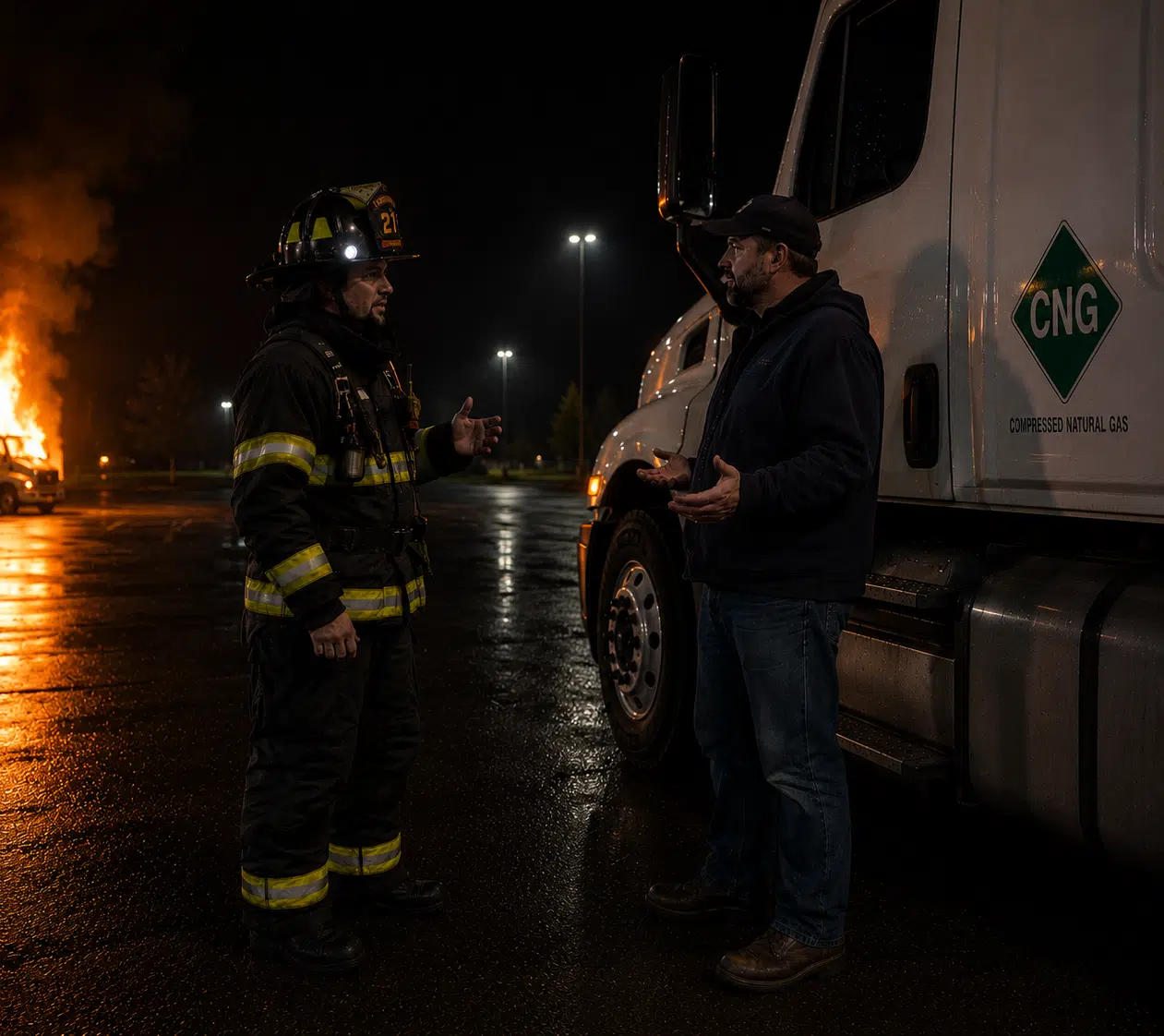
Incidents involving alternative fuel vehicles are rare—but when they occur, they tend to make headlines. In 2024, a CNG vehicle fire injured several responding firefighters. Initial concerns focused on the fuel system, but later findings indicated it had functioned as designed. Still, there are ways CNG safety training, communication, and situational awareness can help prevent similar outcomes.

Should You Handle CNG Fuel System Inspections In-House or Outsource Them?
Running a CNG fleet comes with no shortage of operational demands, and training in-house fuel system inspectors can feel like an added burden. In some cases, the issue may not be financial. Workforce shortages can make it difficult for some fleets to find qualified technicians with experience in alternative fuels, let alone meet all industry codes and standards.

Hydrogen Fuel System Inspections: Why Training Alone Isn’t Enough
Hydrogen is still in the early stages of adoption as a transportation fuel. For this reason, fleets that are incorporating hydrogen vehicles (or are planning to) must recognize that inspection quality carries greater consequences than with other alternative fuels.

Understanding the Differences Between Pre-Delivery and Pre-Service CNG Inspections
Compressed natural gas (CNG) vehicles are engineered with high-pressure fuel systems that must meet the appropriate industry codes and standards. Their level of complexity requires vehicle manufacturers and fleets to inspect these systems for quality control and safety.



