
Will Your CNG Technicians’ Credentials Hold Up?
Whether your own technicians inspect your CNG fuel systems or a vendor does it for you, someone has to be qualified to do the work, and eventually someone will ask you to prove it. A training certificate shows a technician attended a course. A certification shows they were assessed. If you want the second, you have to choose a certifying body.

What NFPA 52 Actually Requires of a Fleet That Operates CNG Vehicles
Most fleets view NFPA 52 as a vehicle code. It comes up when a fuel system is being specified, or an upfitter cites it in a quote, and it gets filed away with the other things that govern what’s bolted to the chassis. That’s part of what it does, but the code also reaches your fueling equipment and the work done in your shop.

Cummins CNG Master Tech: What Dealer Technicians Need to Know for Warranty Work
If you work in a Cummins authorized dealership, you’ve probably completed a lot of training over the course of your career. You may even be a Cummins-certified Master Tech. However, there’s an important distinction when it comes to the Cummins X15N engine.

EV Safety Starts Before High-Voltage Work: AFVi Launches Level ONE Training for Technicians
From transit agencies and school districts to utilities, municipalities, and commercial fleets, technicians are increasingly being asked to inspect, maintain, and service fuel-cell and battery-electric vehicles. To address this need, AFVi has developed EV 101: Electric Vehicle High-Voltage Safety Awareness.

What “Electrically Aware” Actually Means: Worker Levels Every Fleet Manager Should Know
Transit agencies, municipalities, utilities, delivery companies, school districts, and private businesses continue to add hydrogen fuel-cell and battery-electric vehicles to their operations every year, which means that more employees must understand how to work safely around them—even technicians who don’t perform high-voltage work.
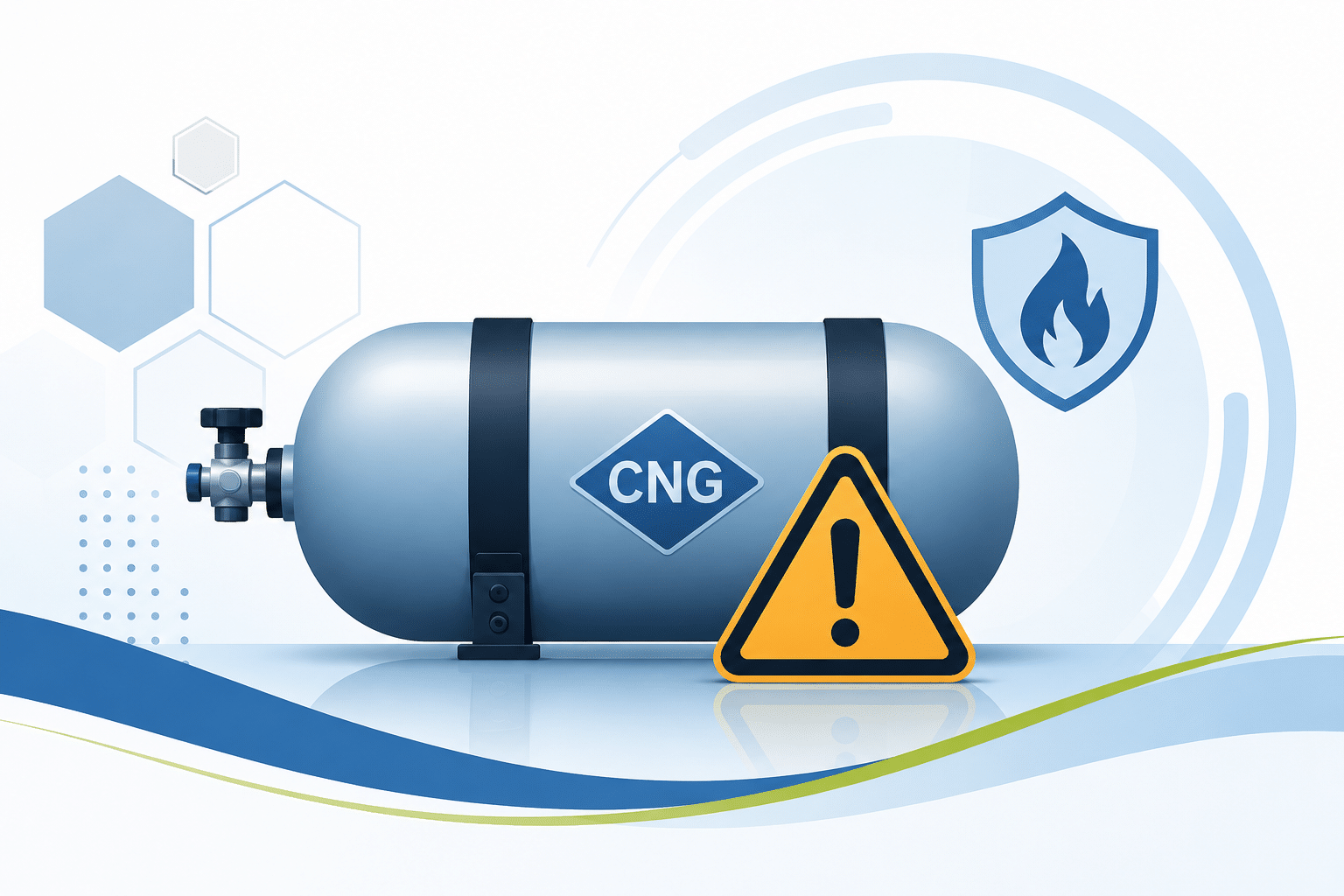
Why Improperly Defueled CNG Cylinders Can Create Serious Disposal Hazards
It’s an unfortunate misconception that a cylinder is safe simply because it is no longer in use, but the reality is that technicians, fleet personnel, recyclers, or scrap processors could be harmed by a discarded cylinder that still has residual natural gas and pressure.