2 Critical Elements for Operating and Maintaining a CNG Transit Fleet
Besides appropriate safety policies and protocols, a CNG transit fleet depends on two critical elements to be safe and successful: 1) obtaining comprehensive training for
Besides appropriate safety policies and protocols, a CNG transit fleet depends on two critical elements to be safe and successful: 1) obtaining comprehensive training for
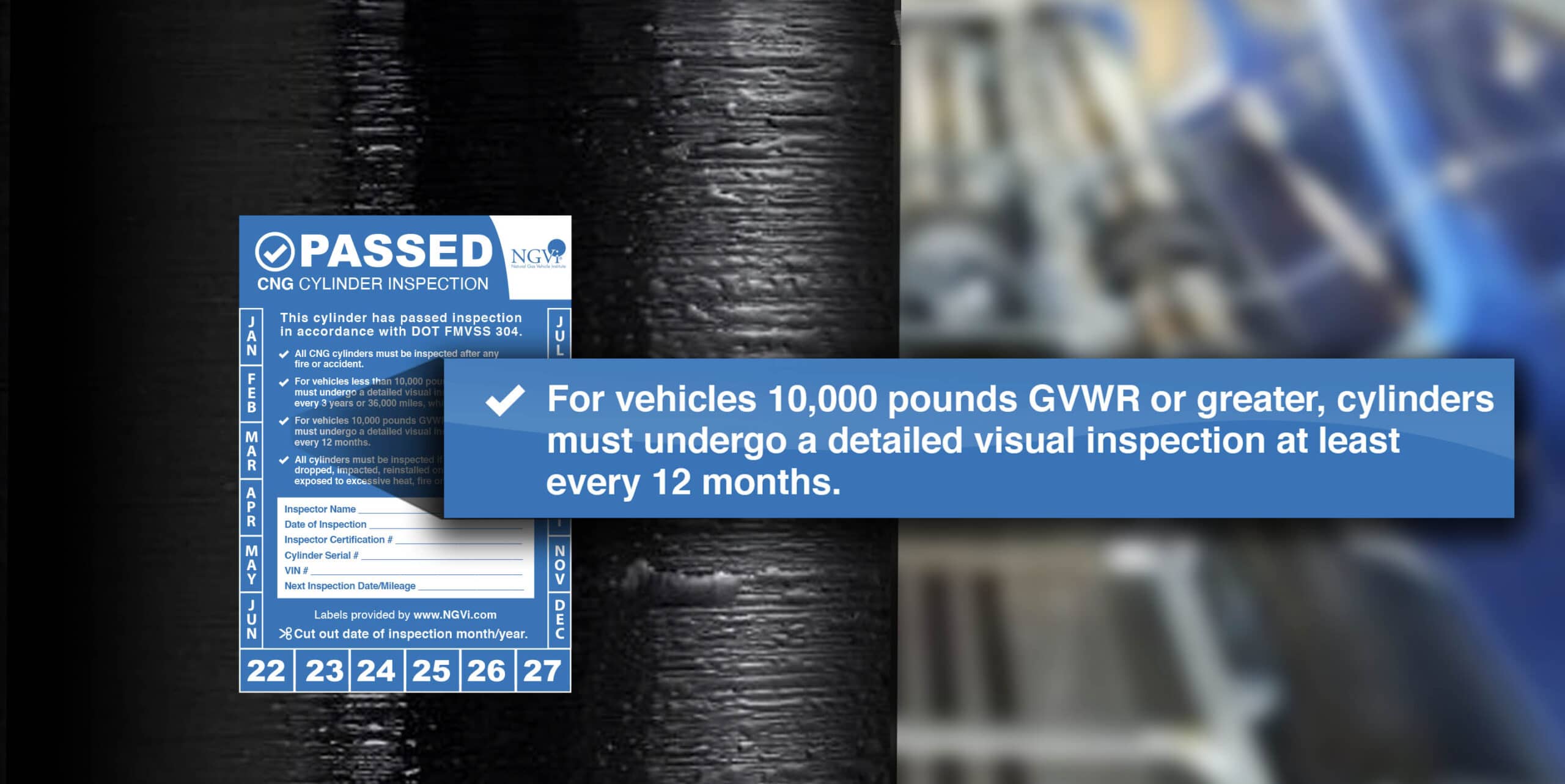
Changes to CNG cylinder inspection intervals required by the U.S. Department of Transportation’s Federal Motor Vehicle Safety Standard (FMVSS) No. 304, “Compressed natural gas fuel

When it comes to CNG vehicle training and safety, do your technicians participate in individual courses, or do they go through a fully developed program

We often get questions regarding the differences between natural gas-powered vehicles (NGVs) and their diesel counterparts. Sometimes those differences are initially concerning to technicians or

Transit agencies have four key areas they can focus on if they want to maximize the use of their CNG fleets. They include adhering to
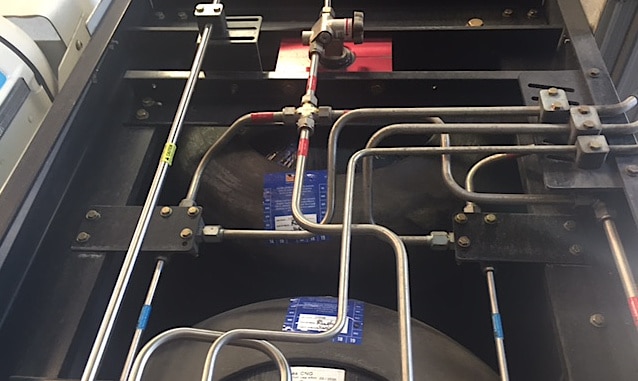
We’re asked almost daily about the required interval for heavy-duty CNG fuel system inspections. Our answer is “it depends,” and then we explain. These inspections
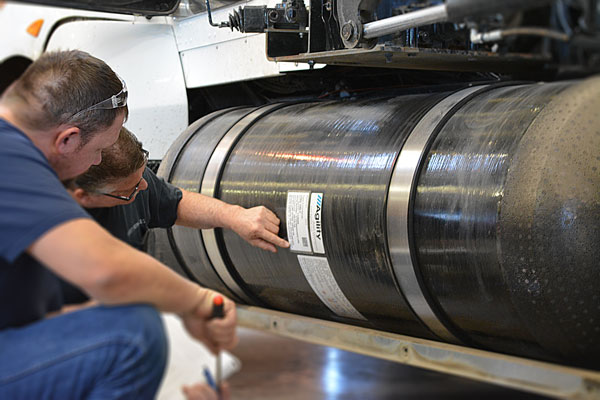
Has your team ever confused the CNG Detailed Visual Inspection with the FMCSA Annual Inspection? On paper, it might sound like a reasonable mistake, but

These are the most common performance complaints for heavy-duty natural gas vehicles: Low power Difficulty starting Rough idling Engine hesitation when accelerating Occasional stalling The
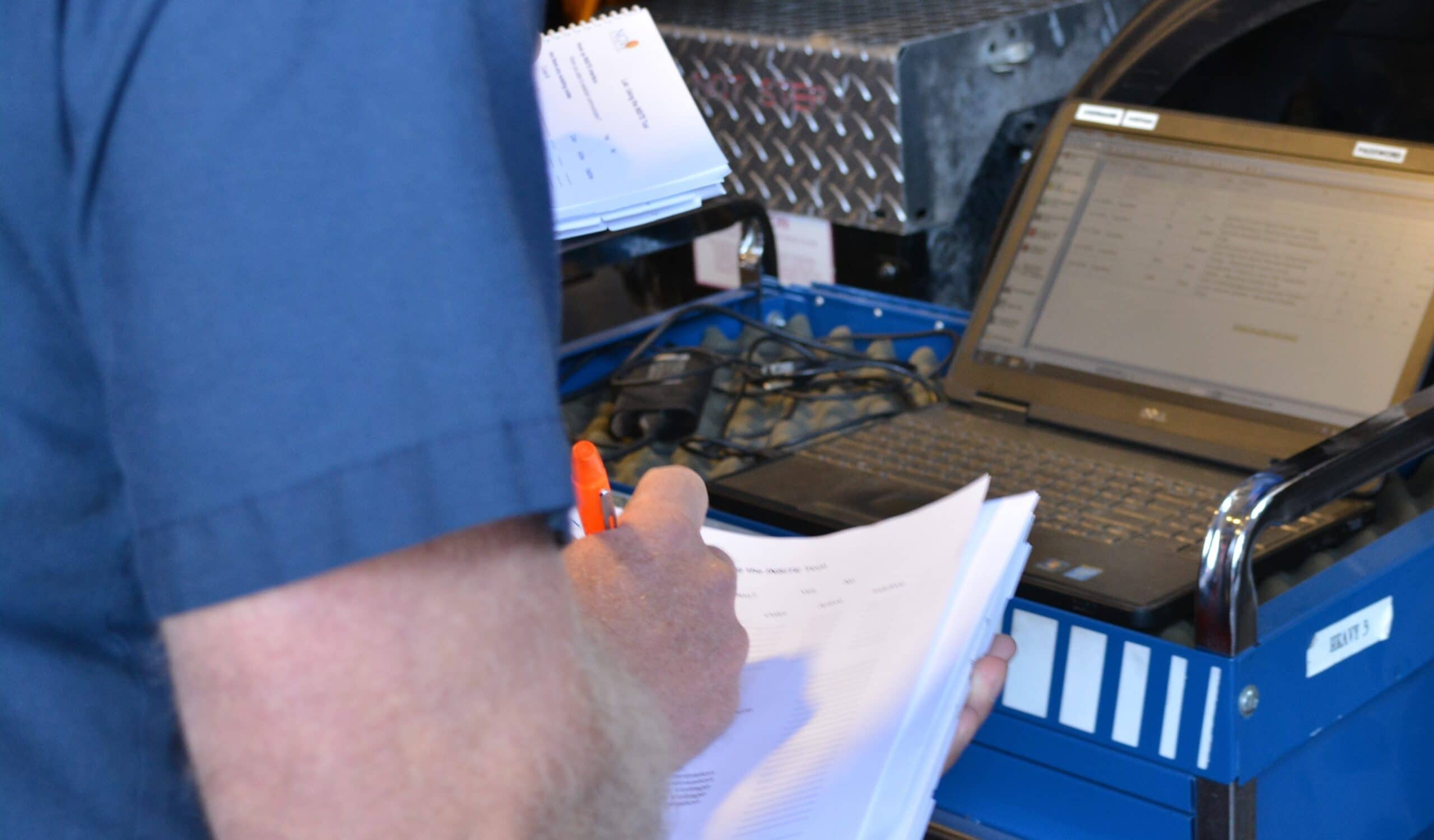
The biggest difference drivers report when they swap from diesel-powered vehicles to those that operate on natural gas is that they appear to be running
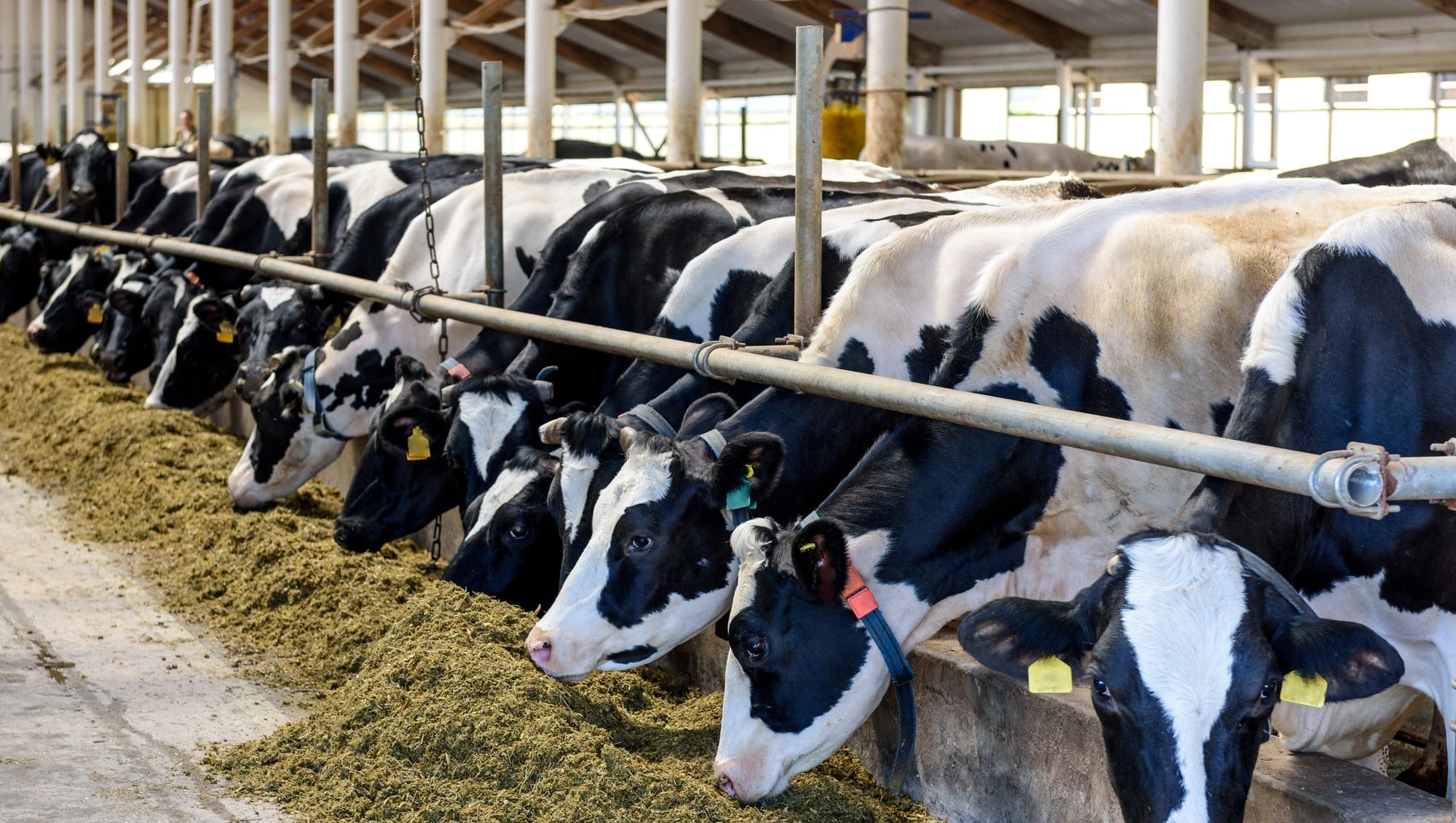
If you don’t currently use renewable natural gas (RNG) to fuel your CNG fleet, chances are you will in the near future. This isn’t simply