Propane Autogas Hybrid Vehicles Are a Practical Solution to an Evolving Alternative Fuel Landscape
Battery-electric vehicles continue to play a role in certain applications, but adoption rates have slowed. Some companies are less inclined to invest in them due to cost, charging infrastructure limitations, and operational challenges. For fleet leaders who are exploring other low-emission technologies, propane autogas hybrid vehicles could be the solution.
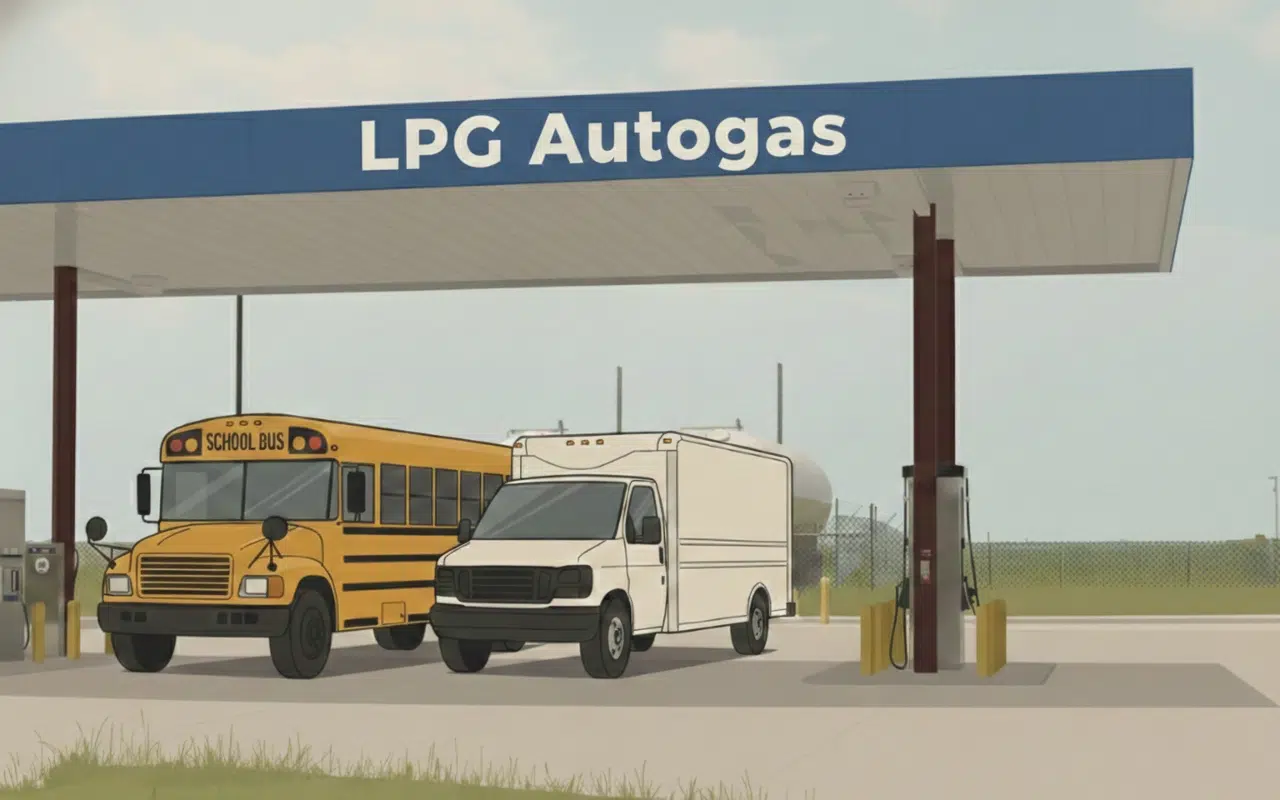
Propane autogas hybrid vehicles combine propane-powered engines with hybrid electric systems to deliver reduced fuel costs and reliable performance for commercial and heavy-duty fleets. According to the Propane Education & Research Council (PERC), “While much of the current focus on hybrid vehicles is centered on passenger cars like the [Toyota] RAV4, industry leaders believe the real transformation will occur in the medium- and heavy-duty truck sectors.”
This shift underscores a familiar truth: as the technology for alternative fuel vehicles evolves, technician training must evolve alongside it.
Why Propane Autogas Hybrid Vehicles Are Gaining Industry Attention in Fleet Operations
Hybrid technology remains a key component in fleet sustainability. Hybrid propane vehicles combine the proven benefits of propane fuel systems with electric assist capabilities, resulting in lower emissions, improved fuel efficiency, and reduced operating costs. This makes propane an attractive bridge between conventional internal combustion engines and fully electric platforms.
Propane’s availability makes it more compatible for:
- Predictable fueling and faster refueling times.
- Hybrid solutions that reduce vehicle emissions without the need to overhaul fleet infrastructure.
How Propane Autogas Hybrid Vehicles Apply to Heavy-Duty Fleets
Heavy-duty vehicles operate under conditions that can challenge full electrification. Long duty cycles, high payload requirements, limited charging access, and extreme weather conditions can all impact vehicle performance and reliability for transit, refuse, utility, and municipal fleets.
Not only are propane vehicles able to overcome these concerns, but they also offer a long-term solution instead of a temporary workaround. Hybrid vehicles can curb emissions without sacrificing productivity, as heavy-duty fleets can continue using their existing infrastructure. Propane can also avoid the price volatility associated with diesel, as well as the grid dependency with battery-electric vehicles.
Why Technician Training Is Essential for Propane Autogas Hybrid Vehicles
Increased System Complexity Requires Specialized Knowledge
As propane autogas systems are paired with hybrid-electric components, technicians must have the knowledge and skills to navigate both technologies. Without proper training, even experienced technicians can put themselves and others at risk.
Technicians must understand:
- Propane fuel properties and handling procedures.
- Electric vehicle maintenance safety protocols.
- Fuel system inspection, maintenance, and depressurization.
- Hybrid system safety protocols and electrical awareness.
- Integrated diagnostics across fuel and electric systems.
Safety Standards and Fleet Reliability
Propane systems require strict adherence to safety standards, while hybrid systems introduce additional electrical hazards. Improper heavy-duty applications can lead to increased risk, code violations, and vehicle downtime.
Comprehensive training will allow a fleet to:
- Maintain safety for its technicians and operations.
- Meet all applicable codes and standards.
- Protect its investments in alternative fuel technology.
- Support consistent vehicle uptime and reliability.
How AFVi Supports Hybrid Powertrain Technology
Alternative Fuel Vehicle Institute recommends a combination of two training courses that will teach technicians all that they need to know about how to inspect and maintain propane autogas hybrid vehicles.
Our existing course, LPG 101: Propane Vehicle Technician Safety and Fuel System Inspection Training, teaches critical safety procedures for vehicle maintenance and repair, along with proper techniques for fueling, depressurizing, defueling, and purging propane-powered vehicle fuel systems.
Our newest course, EV 101: Electric Vehicle Essentials and Safety Practices, launches in Q1 2026 and will deliver critical instruction on:
- The types of vehicles that use high-voltage systems.
- How to identify high-voltage systems, components, and circuits (including warning lights and labels).
- The hazards and risks associated with electric vehicle repair.
- Which devices are used in a maintenance area to designate whether an EV is energized or non-energized.
In addition, AFVi offers customized vehicle courses that can teach technicians how multiple powertrain systems interact and how they can work safely in complex environments.
Preparing Heavy-Duty Fleets for What Comes Next
As fleets diversify their vehicle technologies, technician training is critical to their success, especially regarding:
- Reduced operational and safety risks.
- Improved vehicle uptime and performance.
- Support for long-term sustainability goals.
- Adaptability and confidence with future fuel technologies.
Moving Forward With AFVi
Propane autogas hybrid vehicles represent a balanced, achievable path for heavy-duty fleet decarbonization, and the technicians who will maintain them will be invaluable. They avoid the problems associated with full vehicle electrification, while also offering a powerful alternative to diesel.
By partnering with the only ASE-accredited training provider for alternative fuel vehicles, fleets can ensure that their technicians are prepared to support propane autogas hybrid vehicles safely and confidently.
If you have questions about our current training options or would like to discuss options for group training discounts, please contact us to learn more.