RNG Infrastructure at ACUA
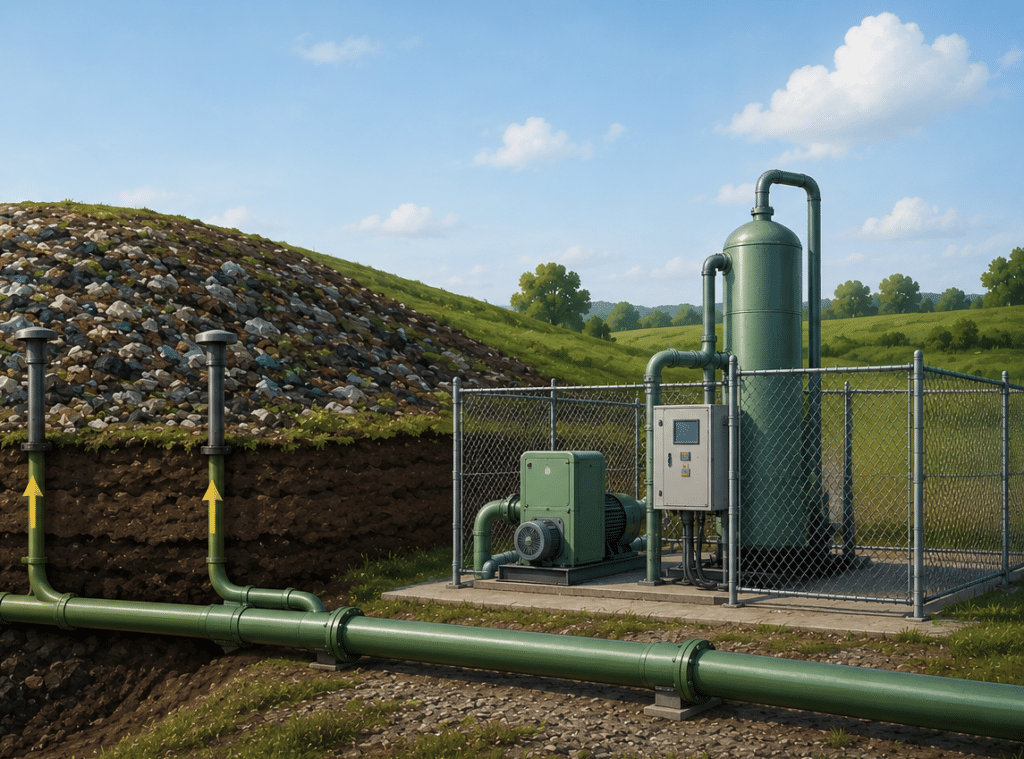
A recent project from the Atlantic County Utilities Authority (ACUA) continues to draw attention across the alternative fuels industry. Through a partnership with OPAL Fuels and South Jersey Industries, ACUA has been converting landfill gas into renewable natural gas (RNG) at its facility in Egg Harbor Township. This captured methane is then processed into pipeline-quality natural gas that the public authority can use for its own fleet.
Projects like this are a meaningful step forward in supporting long-term energy infrastructure—not to mention creating a more sustainable fuel source for utilities like ACUA, which runs over 50 percent of its vehicles on natural gas.
How ACUA Uses RNG in Fleet Operations
Renewable natural gas is biogas—generated by landfills, agricultural operations, wastewater treatment facilities, and other organic waste sources—that is captured, cleaned, and conditioned to meet utility and transportation fuel standards. The production process generally includes the removal of impurities like carbon dioxide, moisture, and trace contaminants before compressing and upgrading the gas for use.
RNG functions the same as conventional natural gas, meaning it can be used in any natural gas vehicle (NGV). RNG compatibility allows organizations like ACUA to support their own fleet operations by using fuel derived from local waste streams rather than relying entirely on traditional fuel sources, creating a cycle in which landfill methane is captured, processed, and reused.
Why Renewable Natural Gas Is Popular
RNG’s ability to work in existing natural gas systems is one of the primary reasons it continues to grow in popularity.
From an environmental perspective, RNG projects capture methane that would otherwise be released into the atmosphere. Depending on the source and lifecycle analysis, some renewable natural gas is even considered carbon-negative.
Economic incentives, renewable fuel credits, and ESG (Environmental, Social, and Governance) initiatives are also encouraging more utilities, organizations, and companies to explore RNG adoption.
All of this heightened demand has created the need for greater workforce readiness. ACUA demonstrates this commitment through ongoing technician training, including programs delivered by AFVi, to support RNG systems safely and in accordance with industry standards.
RNG and CNG Require Skilled Technicians
Although RNG comes from renewable sources, the infrastructure used to store, transport, and dispense it still operates under the same high-pressure conditions as conventional compressed natural gas.
Fueling stations, storage systems, compressors, piping, and vehicle fuel systems all require proper inspections and maintenance to operate safely and efficiently. Without qualified technicians, even advanced infrastructure can create challenges—especially for organizations operating large fleets or public infrastructure.
Because RNG and CNG are interchangeable, fuel system inspection procedures remain the same. For fleets operating NGVs, technician training supports:
- Improved identification of issues that impact safe vehicle operation
- Reduced maintenance and repair costs
- Improved vehicle uptime and operations
- Stronger adherence to all industry codes and standards (including NFPA 52, the primary code governing the safety, design, installation, and operation of CNG)
ACUA’s Model for the Industry
ACUA has proven that renewable natural gas is an accessible, scalable solution for improving fleet operations that doesn’t require reinventing CNG architecture. Their project also serves as a model for how operational safety and fleet performance depend on a knowledgeable, competent team. With the right setup, RNG infrastructure and workforce readiness can work together to support long-term success.