
Minimize Costly Oil Carryover in Your Heavy-Duty NG Engines
These are the most common performance complaints for heavy-duty natural gas vehicles: Low power Difficulty starting Rough idling Engine hesitation when accelerating Occasional stalling The
These are the most common performance complaints for heavy-duty natural gas vehicles: Low power Difficulty starting Rough idling Engine hesitation when accelerating Occasional stalling The

CNG technicians get a lot of the credit for keeping your fleet up and running, but don’t overlook the value and responsibilities of your drivers.

By Emily Rios, Learning and Content Developer, NGVi After a Detailed Visual Inspection, a CNG Fuel System Inspector is responsible to determine the final disposition
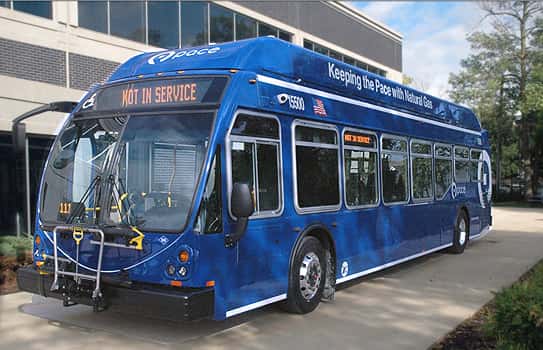
Transit agencies are one of the most active adopters of natural gas vehicles, due to the favorable economics and unparalleled environmental benefits of natural gas.
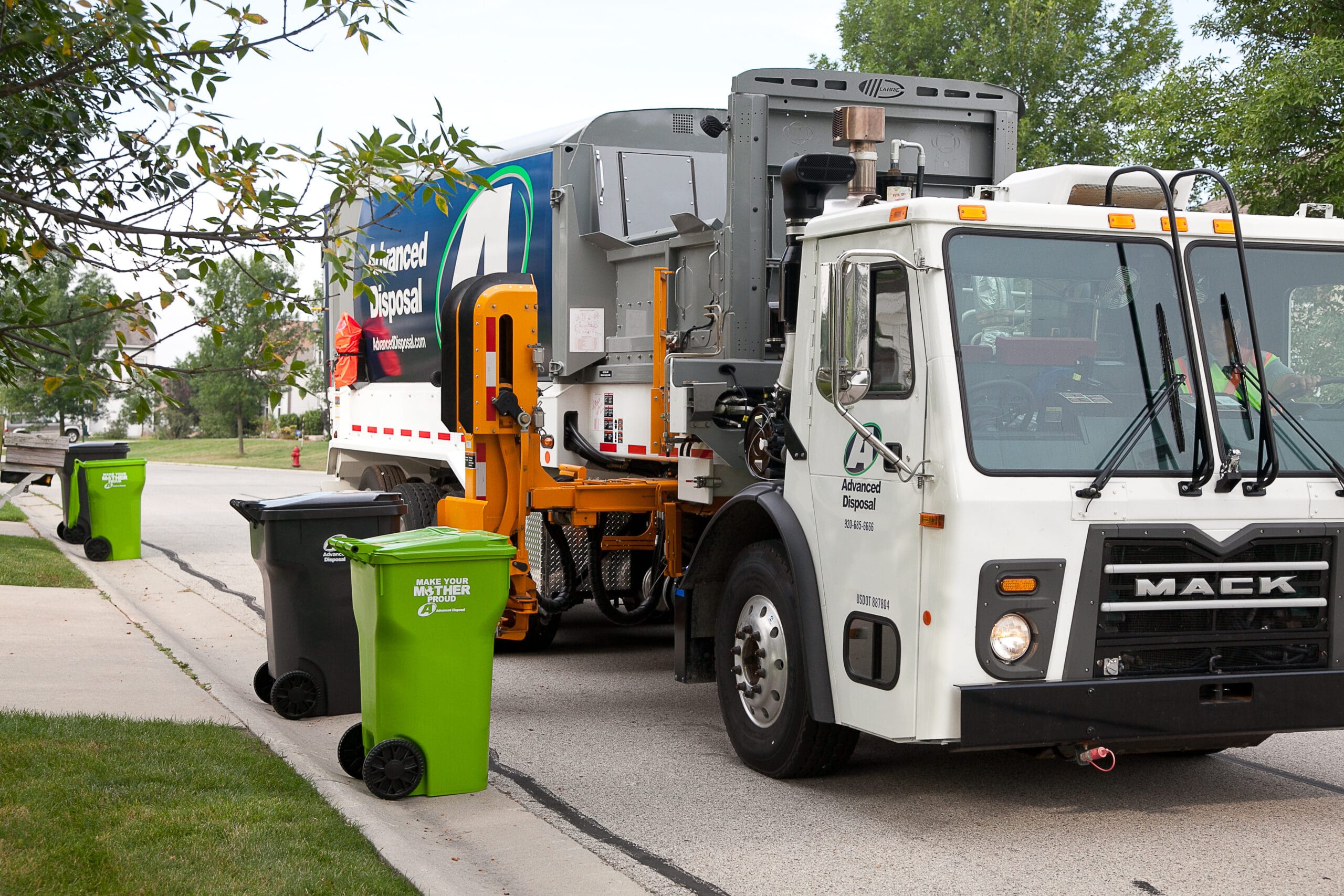
By Kasia McBride, Marketing Manager, NGVi As gasoline and diesel continue their unstable pricing pattern, dictated by the global energy market, natural gas remains inexpensive
By Annalloyd Thomason, Vice President/General Manager, NGVi Refuse fleets are one of the fastest growing markets for compressed natural gas (CNG), primarily because of